October 28, 2026
The engine generates raw power, but the gearbox directs that power to the wheels. Without a functioning shifting system, a vehicle becomes an immobile piece of metal. Routine care keeps automobiles running with precision down the highway. Many owners overlook this crucial automotive component until major problems arise. Preventative maintenance saves drivers from severe financial burdens. Drivetrains depend on seamless power transfer.
Regular maintenance protocols dictate periodic inspections. Ignoring warning signs leads to catastrophic mechanical failures. Addressing small irregularities at an early stage prevents complete system breakdowns. Professional mechanics perform essential transmission services to maintain peak automotive performance. A well-maintained vehicle ensures safe travels across vast distances. Proactive attention mitigates the risk of sudden mechanical failure. Owners who prioritize automotive health experience uninterrupted commutes.
Recognizing the Symptoms of Gearbox Failure
Vehicles communicate mechanical issues through distinct sounds and physical sensations. Grinding noises during acceleration point to internal gear damage. Whining sounds suggest low fluid levels or failing bearings. Drivers must pay close attention to these auditory clues. Ignoring abnormal sounds guarantees worsening internal conditions. An observant driver notices subtle changes in operating noise. Catching these auditory anomalies prevents escalating mechanical damage.
Rough shifting indicates significant internal resistance within the housing. Vehicles should shift between gears with minimal effort. Jerking motions suggest clutch wear or fluid degradation. A distinct delay in movement after engaging the drive gear signals hydraulic pressure loss. Prompt attention resolves these hesitation issues before total failure occurs. Smooth transitions between gears characterize a healthy hydraulic system.
Fluid leaks present clear visual evidence of compromised external seals. Red liquid pooling beneath a parked automobile requires immediate investigation. Burnt odors emitting from the engine bay indicate overheating fluid. Operating a vehicle with insufficient lubrication destroys delicate internal components. Spotting a puddle on the driveway serves as a definitive call to action. Maintaining adequate fluid levels prevents excessive friction.
Modern automobiles feature dashboard indicator lights connected to complex internal sensors. An illuminated check engine light demands a comprehensive diagnostic scan. Error codes reveal specific malfunctions within the gear system. Catching these electronic alerts allows technicians to perform minor transmission services rather than complete rebuilds. The onboard computer monitors shift timing. Any deviation from standard parameters triggers a warning indicator.
Understanding the Components of Shifting Systems
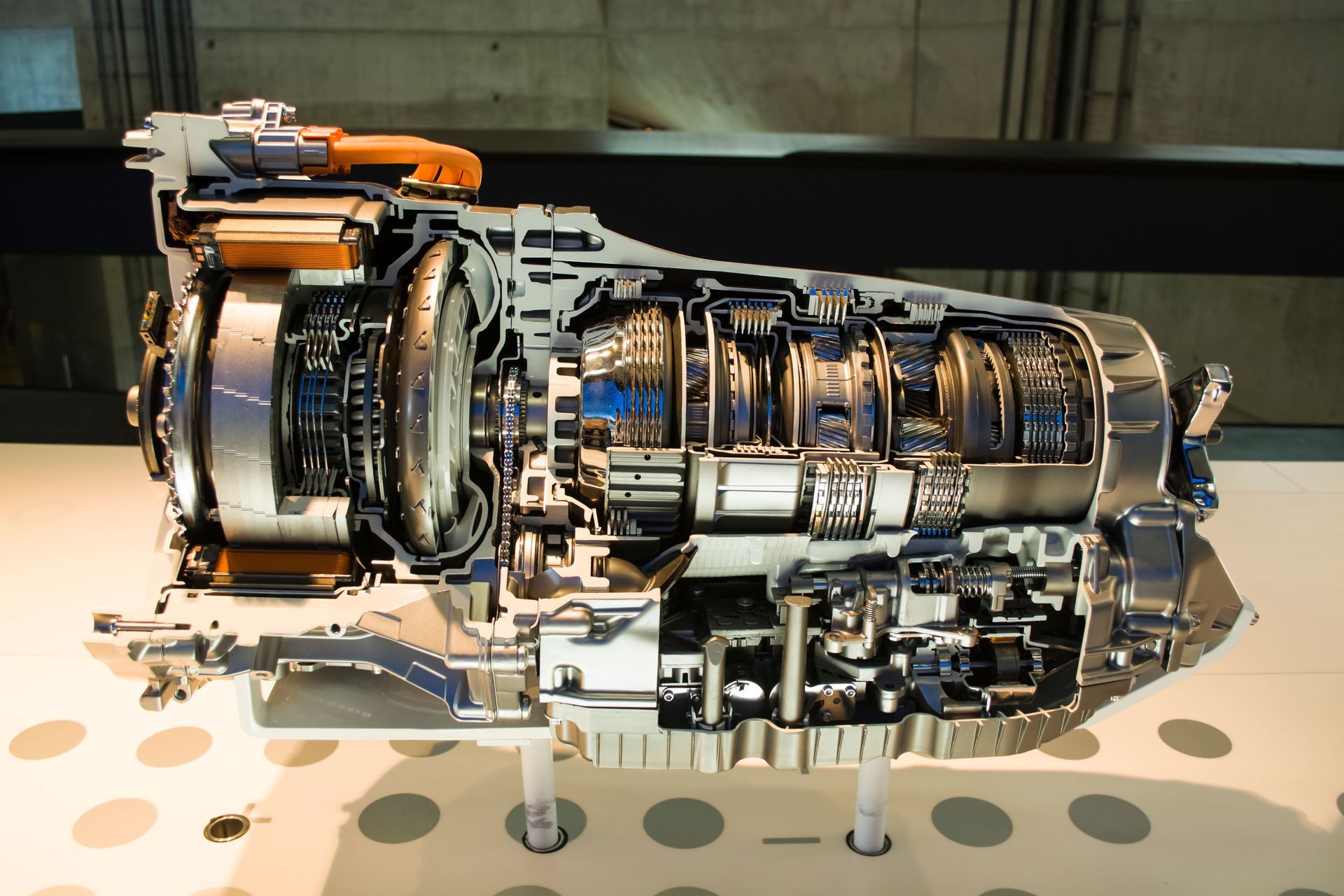
Manual and automatic configurations dominate the global automotive market. Manual setups rely on a driver-operated clutch pedal and gear selector. Automatic designs utilize complex hydraulic systems and torque converters. Both designs require specific care routines to maintain functionality. Each configuration demands distinct maintenance approaches based on unique internal architecture. Understanding the specific type of gearbox helps owners plan proper maintenance schedules.
The planetary gear set forms the core of an automatic system. These intricate gears determine the rotational speed output. Bands and clutches hold specific gears stationary to achieve desired drive ratios. Wear on these friction materials causes slipping during vehicle operation. Continuous slipping generates massive heat levels within the metal casing. Protecting these components extends the life of the mechanism.
The lubricating liquid serves as both a friction reducer and a hydraulic power source. The fluid transfers power through the torque converter to the drive wheels. Clean fluid prevents metal-on-metal contact between moving internal parts. Degraded liquid loses necessary viscosity over extended periods of use. Viscosity loss reduces the liquid's ability to protect internal metals from friction damage.
A complex network of valves regulates all fluid flow. The valve body directs hydraulic pressure to engage specific clutches. Solenoids control these valves based on direct computer commands. Malfunctioning solenoids cause erratic shifting patterns and poor fuel economy. Comprehensive transmission services address these electronic and hydraulic components. The delicate passages within the valve body require pristine fluid to function.
Prioritizing the Schedule for Fluid Replacements
Manufacturers outline specific maintenance intervals in provided vehicle manuals. Severe driving conditions necessitate accelerated fluid exchanges. Towing heavy loads places tremendous stress on the gear assemblies. Stop-and-go traffic generates excessive heat within the metal housing. Heat acts as the primary enemy of these complex mechanical units. Adapting the maintenance schedule to environmental factors prevents premature wear.
Industry data highlights the vast scale of global automotive repair needs. According to Fortune Business Insights, the global transmission repair market was valued at $141.69 billion in 2025. This massive figure underscores how numerous vehicles experience gearbox failures. Proactive care prevents drivers from contributing to this immense repair expenditure. Routine fluid exchanges offer a cost-effective alternative to complete replacements.
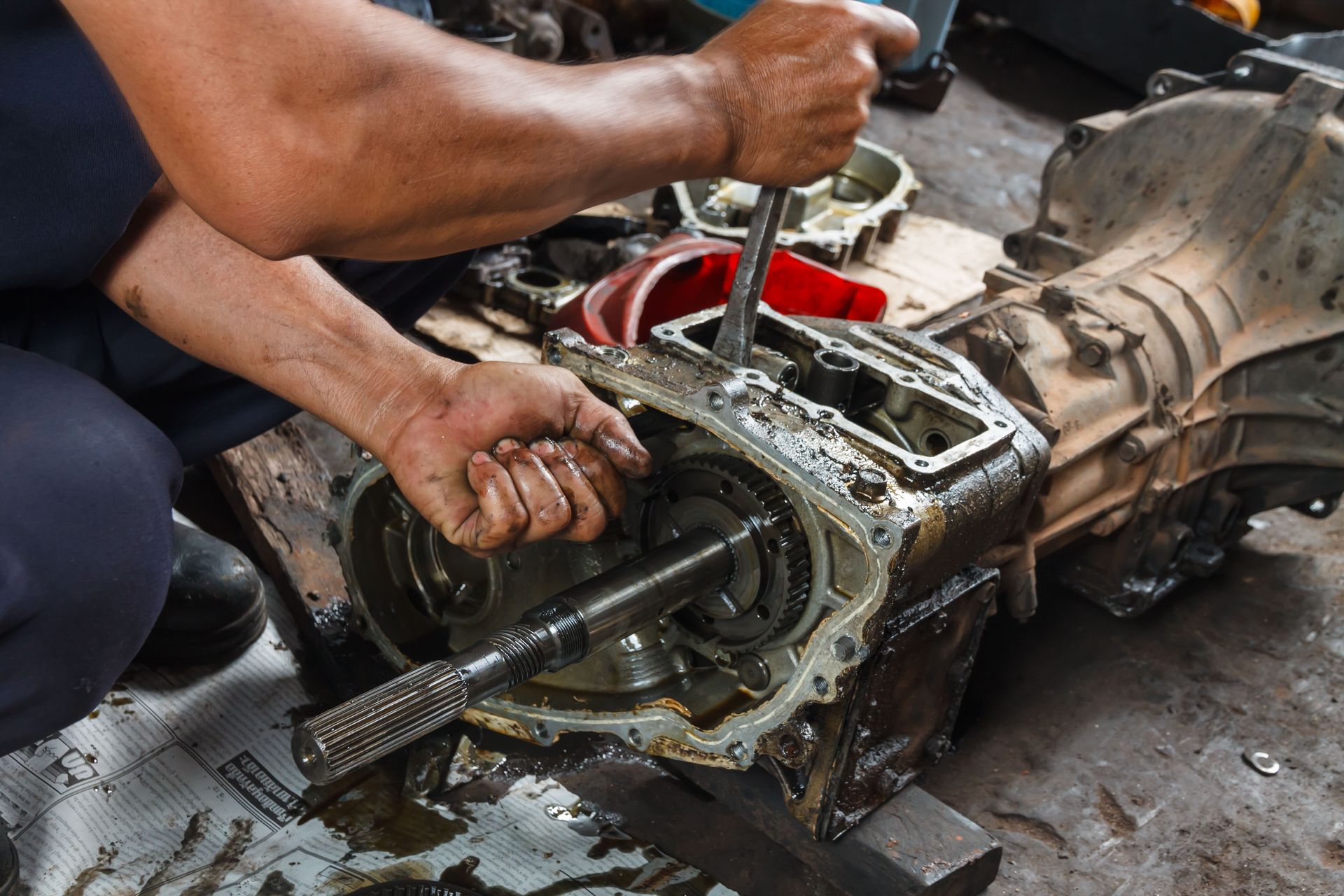
Fluid flushes differ from basic pan drop procedures. A pan drop removes a small fraction of the old liquid. A complete flush replaces the entire fluid volume within the torque converter and cooler lines. Technicians use specialized equipment for comprehensive fluid exchanges. Both methods remove harmful metal shavings from the system. Removing degraded fluid restores optimal hydraulic pressure.
Filter replacements occur alongside standard fluid changes. A clogged filter restricts hydraulic pressure within the valve body. Restricted pressure starves the internal components of vital lubrication. Clean filters catch metallic debris before the debris circulates through delicate passages. Regular transmission services include replacing these essential filtration devices. A pristine filter ensures unrestricted fluid flow throughout the intricate hydraulic network.
Selecting the Professionals for Mechanical Repairs
Complex automotive repairs require specialized knowledge and dedicated tools. General mechanics handle basic fluid changes, but intricate internal repairs demand dedicated specialists. Diagnosing intermittent electronic shifting issues takes specialized diagnostic scanners. Facilities equipped with modern scanning technology pinpoint exact points of internal failure. Accurate diagnosis prevents unnecessary parts replacement and wasted labor hours. Advanced diagnostic tools separate professional shops from basic garages.
Evaluating a repair facility's track record provides insight into their mechanical competence. Shops with extensive hands-on experience understand intricate gear systems. Facilities equipped with modern tools deliver reliable repair outcomes for consumers. Observing the organization of the workspace reveals a mechanic's attention to detail. Quality repairs utilizing premium replacement parts ensure the longevity of the rebuilt internal components. Dedicated professionals apply practical knowledge during complex teardowns and rebuilds.
Comprehensive warranties provide profound peace of mind following major mechanical repairs. Reputable facilities stand behind their workmanship with written guarantees. A strong warranty covers both replacement parts and repair labor for a specified duration. Owners must understand the specific terms of the warranty agreement. Proper documentation protects the consumer's significant financial investment. Warranties offer protection against subsequent mechanical failures.
Researching repair facilities involves reading detailed customer testimonials. Satisfied clients leave positive feedback regarding their repair experiences. Consistent praise indicates a shop's dedication to quality work and customer satisfaction. Professionalism during the initial consultation sets the tone for the entire repair process. Reliable shops offer transparent pricing for all transmission services. Transparent communication builds a strong working relationship between mechanic and owner.
Safeguarding an automobile's shifting system requires consistent driver diligence. Recognizing auditory and physical warning signs prevents catastrophic internal damage. Routine fluid changes extend the operational lifespan of these vital mechanical components. Educated owners make informed decisions regarding tailored maintenance schedules. Knowledge serves as the best defense against unexpected automotive repair bills. A well-maintained shifting mechanism provides reliable transportation.
Neglecting essential maintenance leads to immobile vehicles and immense financial strain. Proactive care ensures continuous and seamless mechanical operation. Drivers who prioritize vehicle health enjoy miles of uninterrupted travel across vast landscapes. Scheduling routine transmission services protects the heart of the automobile's complex drivetrain. Consistent attention to these elaborate systems guarantees long-term automotive reliability. Diligent care rewards the owner with flawless driving experiences. At AAction Better Built Transmissions, we are dedicated to keeping your vehicle on the road with reliable, proactive maintenance. Contact us today to schedule your transmission services and protect your drivetrain from unexpected failures.