July 29, 2026
The transmission is one of the most intricate and vital mechanical assemblies within your powertrain, serving as the essential bridge that transfers engine torque directly to the drive wheels. Whether your daily commute relies on a traditional step-gear automatic, a continuous belt mechanism, or a manual gearbox, this complex system experiences immense thermal and mechanical stress every time you drive. Unlike basic wear-and-tear components that fail without warning, automotive gearboxes typically provide subtle behavioral hints long before a catastrophic breakdown leaves you stranded on the side of the road. Recognizing these early mechanical protests is critical for preserving vehicle reliability, maintaining peak fuel economy, and protecting your long-term financial investment. By paying close attention to how your vehicle accelerates, shifts, and sounds during daily operation, you can identify underlying abnormalities early.
1. Unusual Grinding or Whining Noises
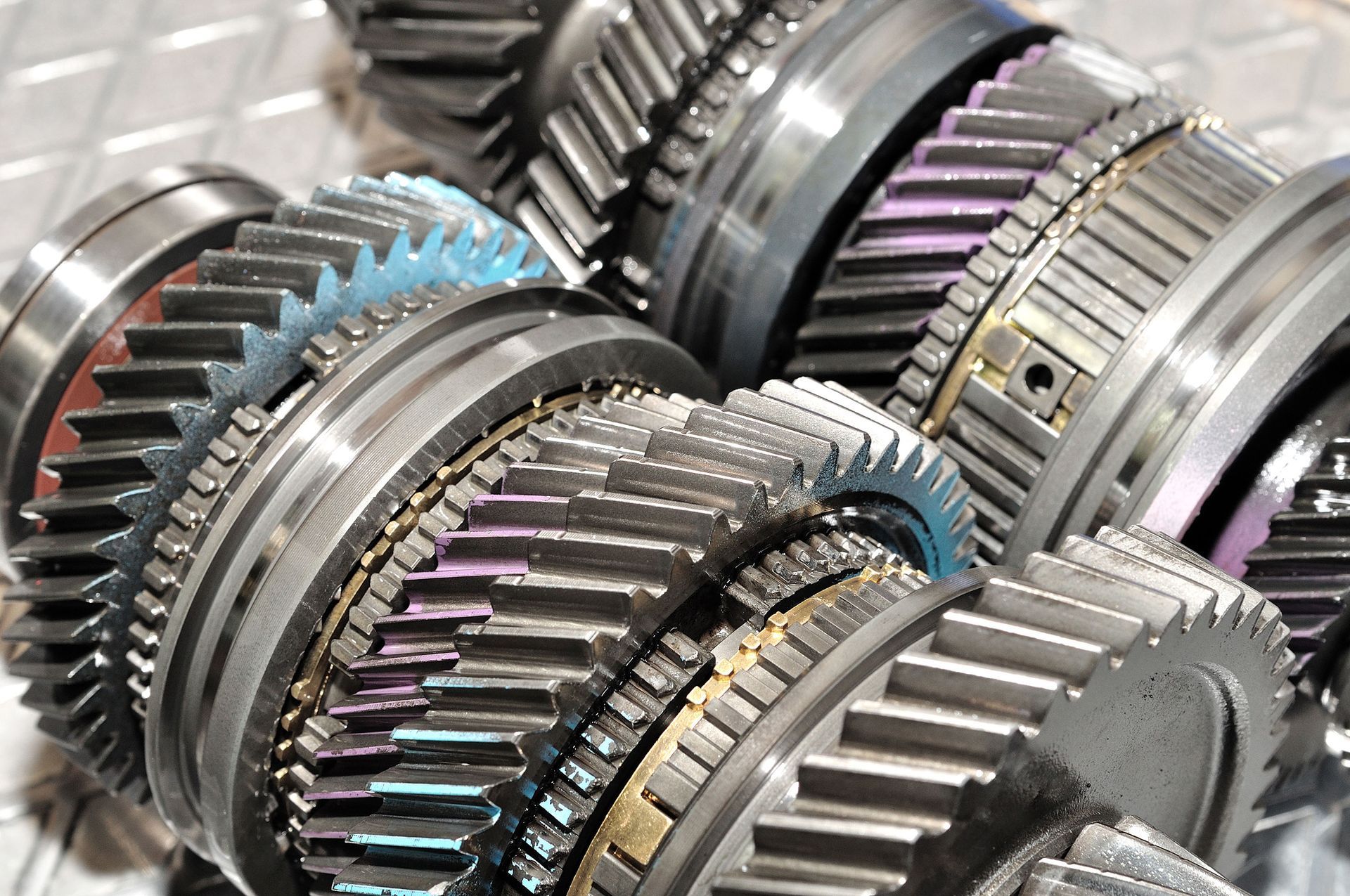
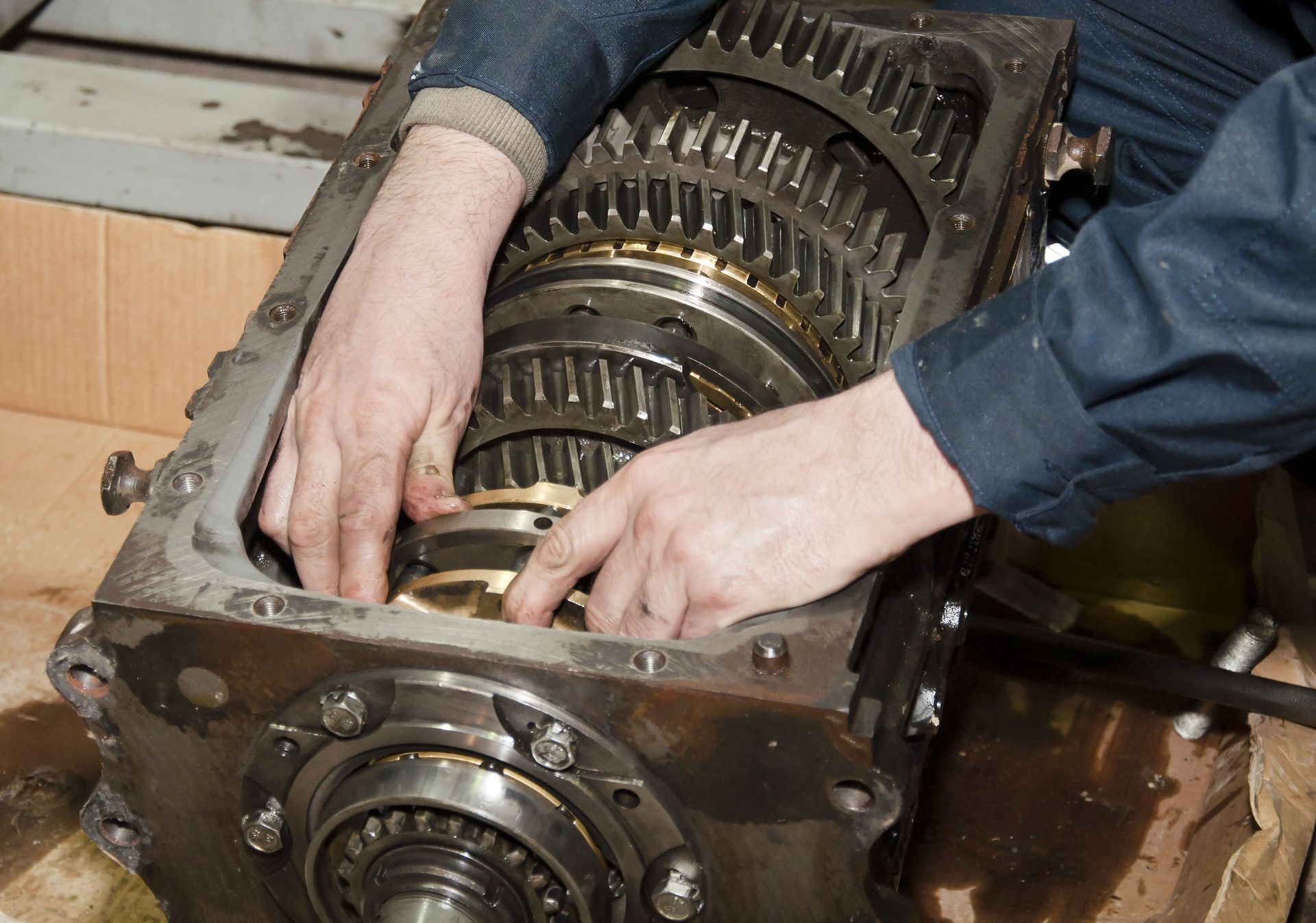
Your vehicle should operate with smooth, quiet transitions as you accelerate and decelerate along the highway. When you begin to hear strange mechanical acoustics emanating from beneath the floorboards, your vehicle is alerting you to internal friction and mechanical wear. In manual vehicles, a harsh grinding sound when shifting gears often indicates worn synchronizers, damaged gear teeth, or a dragging clutch assembly that fails to fully disengage from the flywheel. In automatic systems, a high-pitched whining, humming, or buzzing noise frequently points to a starved hydraulic pump, clogged internal filters, or failing needle bearings within the planetary gear sets. These acoustic warnings occur because metal components make direct contact without adequate hydraulic lubrication or because mechanical tolerances have degraded over time. Continued operation under these conditions generates destructive metallic shavings that circulate through the hydraulic fluid, accelerating wear across internal valves. Ignoring these mechanical protests often leads to severe component destruction, requiring extensive
auto transmission repairs or full gearbox replacement.
2. Hesitation and Slipping Between Gears
A properly functioning gearbox engages smoothly and instantly, transferring engine torque to the drive axle without noticeable delay. If you press down on the accelerator pedal and hear the engine revolutions spike while your vehicle struggles to gain forward momentum, you are experiencing gear slippage. This alarming phenomenon occurs when internal friction bands, multi-plate clutch packs, or torque converter clutches lose their mechanical grip, allowing components to spin freely without propelling the vehicle forward. Similarly, if you experience a distinct hesitation or delay when shifting from park into drive or reverse, internal hydraulic pressure may be insufficient to actuate the appropriate valves within the valve body. Slippage and delayed engagement not only compromise driving safety during merging and highway passing maneuvers, but they also generate intense internal heat that rapidly destroys remaining friction materials. Addressing gear slippage immediately is critical to keeping auto transmission repairs manageable and avoiding complete loss of vehicle propulsion.
3. Dark or Burning Transmission Fluid Leaks
Unlike engine oil, which is primarily consumed or contaminated by combustion byproducts over time, hydraulic fluid within a gearbox operates within a sealed system. If you notice bright red, dark brown, or amber fluid pooling on your driveway or garage floor, you are witnessing a direct threat to your vehicle's mechanical health. This specialized fluid serves three indispensable functions: it lubricates moving gears and bearings, acts as a hydraulic medium for gear engagement, and dissipates intense internal heat. When fluid levels drop due to degraded gasket seals, damaged fluid lines, or axle seal leaks, hydraulic pressure plunges, causing gears to grind and slip. Even without external leaks, fluid that appears viscous or emits an acrid burning odor indicates severe thermal breakdown and internal scorching. According to Consumer Reports, how often your transmission fluid should be changed ranges from as little as 30,000 miles to more than 100,000 miles. Performing a routine transmission fluid change according to appropriate mileage intervals prevents premature oxidation, but operating a vehicle with depleted or oxidized hydraulic fluid remains one of the most common causes of preventable auto transmission repairs in modern vehicles.
4. Stubborn Refusal to Engage Gears
When you move your shift lever into drive, reverse, or a specific gear ratio, your vehicle should respond immediately without mechanical resistance or hesitation. A stubborn refusal to move into gear or a complete inability to engage specific gear ratios is a definitive warning sign of mechanical or electronic failure. In manual setups, this problem often stems from hydraulic master or slave cylinder malfunctions, misaligned linkage cables, or bent shift forks that physically prevent synchronizers from meshing with gear hubs. In automatic systems, a failure to engage frequently results from low hydraulic fluid pressure, defective electronic shift solenoids, or internal valve body obstructions that prevent hydraulic routing. In vehicles equipped with continuously variable setups, worn steel belts or scored pulleys can cause the system to freeze or fail to alter drive ratios. When facing these severe symptoms, technicians utilize advanced transmission diagnostic services to pinpoint whether electronic sensors, hydraulic linkages, or mechanical faults are driving the need for auto transmission repairs.
5. Noticeable Surging and Dragging Sensation
As you drive at a consistent speed, your vehicle should maintain a steady, predictable pace without sudden fluctuations in engine power or velocity. If you feel your car abruptly lurch forward, surge ahead without moving your foot on the gas pedal, or experience a heavy dragging sensation that feels like the brakes are being applied, your gearbox is struggling to regulate torque distribution. These unsettling drivability symptoms often originate from erratic hydraulic pressure fluctuations inside the valve body, malfunctioning pressure control solenoids, or a torque converter that fails to lock and unlock smoothly at cruising speeds. When the torque converter clutch shudders or engages intermittently, it sends jarring vibrations throughout the entire drivetrain, accelerating wear on universal joints, differential gears, and mounting bushings. Furthermore, when your vehicle exhibits unprovoked surging or dragging, consulting specialists in auto transmission repairs can prevent secondary damage that might otherwise require extensive axle repair, gearbox repair, or driveline repair.
6. Illuminated Check Engine Dashboard Warning
Modern vehicles feature sophisticated electronic monitoring systems designed to detect mechanical and fluid abnormalities long before they become perceptible to the driver. While many motorists associate an illuminated dashboard check engine light exclusively with emissions or motor problems, the engine control module and transmission control module constantly communicate to monitor gear ratios, fluid temperatures, and solenoid electrical resistance. If sensors detect an abnormal shift duration, excessive hydraulic temperature, or unexpected rotational speed differences between input and output shafts, the computer triggers a diagnostic trouble code and illuminates the warning indicator on your instrument cluster. When this warning light activates alongside any drivability changes, computer-generated error codes provide critical data that helps trained specialists execute targeted auto transmission repairs without unnecessary guesswork.
Your vehicle's gearbox is a feat of precision engineering, relying on an intricate harmony of hydraulics, electronics, and mechanical gears to deliver smooth, reliable performance. Because this complex system operates under immense heat and physical strain, even minor irregularities can rapidly degrade into catastrophic mechanical failures if left unaddressed. Taking proactive measures, such as scheduling a timely transmission fluid change, seeking expert transmission diagnostic services, or exploring options for automatic transmission repair, CVT repair, manual transmission repair, differential transmission service, or transmission cooler installation, preserves your vehicle’s performance. Whether you need preventative maintenance, transmission rebuilding, transmission remanufacturing, or complete transmission replacement, partnering with an experienced local facility for your auto transmission repairs ensures precise diagnostics and lasting solutions. When you notice any of these warning signs, reach out to A Action Transmissions today to schedule professional diagnostics and get your vehicle back on the road safely.